
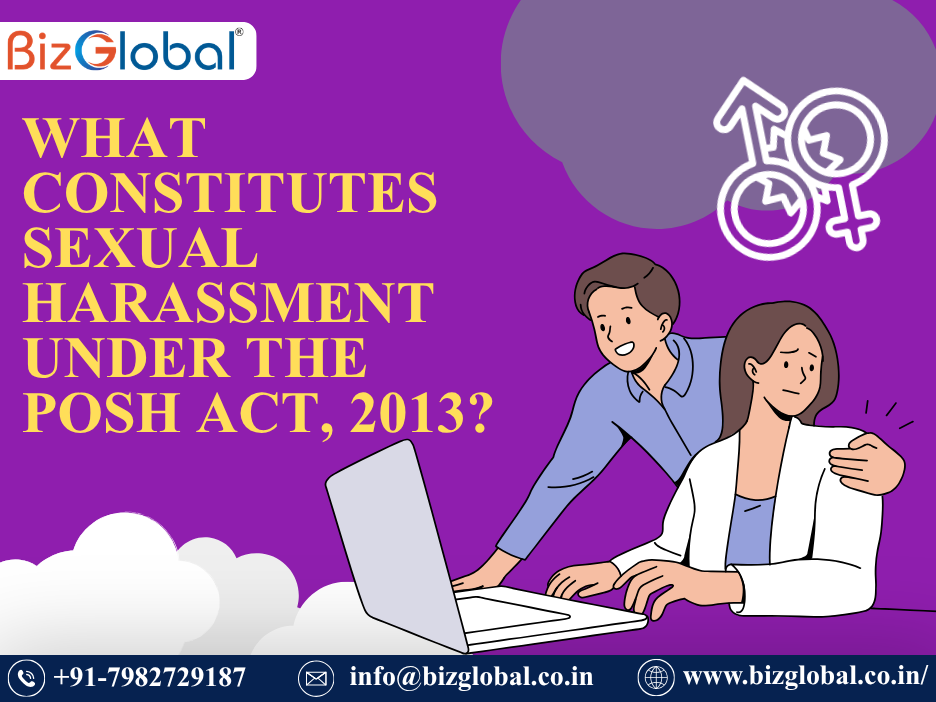
A safe workplace is built on mutual respect, dignity, and professionalism. However, many incidents of workplace harassment are dismissed as "just a joke" or "friendly behavior." Under the Sexual Harassment of Women at Workplace (Prevention, Prohibition and Redressal) Act, 2013 (POSH Act), such excuses have no legal standing. The law focuses on the impact of the behaviour on the aggrieved person, not the intention of the individual accused of misconduct.
Understanding Sexual Harassment Under the POSH Act
The POSH Act provides a clear definition of sexual harassment and recognizes that inappropriate behaviour can take many forms. Sexual harassment is not limited to physical acts—it can also include verbal, non-verbal, written, or visual conduct that creates an uncomfortable or hostile work environment.
The Act aims to protect women from unwelcome behaviour that affects their dignity, safety, or ability to work in a respectful environment.
What Behaviours Are Considered Sexual Harassment?
According to the POSH Act, sexual harassment includes, but is not limited to, the following:
1. Physical Contact and Advances
Any unwelcome physical contact, touching, or attempts to establish physical intimacy without consent may amount to sexual harassment.
2. Demand or Request for Sexual Favours
Requesting or demanding sexual favours in exchange for employment benefits, promotions, salary increments, or continued employment is a serious violation under the POSH Act.
3. Sexually Coloured Remarks
Comments, jokes, teasing, or statements with sexual overtones that make an employee uncomfortable are considered inappropriate and may constitute sexual harassment.
4. Showing Pornographic Content
Displaying, sharing, or circulating sexually explicit images, videos, messages, or other obscene material in the workplace—whether physically or digitally—is prohibited.
5. Any Other Unwelcome Physical, Verbal, or Non-Verbal Conduct
The law also covers other forms of unwelcome conduct, including inappropriate gestures, repeated unwanted communication, stalking, suggestive messages, or behaviour that violates an individual's dignity.
Other Situations Covered Under the POSH Act
The scope of the POSH Act extends beyond the examples listed above. It also includes situations such as:
1. Implied or Explicit Quid Pro Quo
This occurs when employment decisions—such as hiring, promotion, appraisal, or continued employment—are linked to acceptance of sexual advances or favours.
2. Hostile or Offensive Work Environment
Repeated inappropriate behaviour that creates an intimidating, hostile, humiliating, or offensive workplace may amount to sexual harassment, even without physical contact.
3. Conduct Affecting Health or Safety
Any behaviour that humiliates an employee or adversely affects their mental or physical well-being, health, or workplace safety can fall within the scope of the POSH Act.
"It Was Just a Joke" Is Not a Legal Defence
Many workplace incidents are dismissed with statements such as:
- "I was only joking."
- "I didn't mean anything."
- "I was just being friendly."
However, the POSH Act does not evaluate conduct solely based on intent. Instead, it considers whether the behaviour was unwelcome and whether it had the effect of violating a person's dignity or creating an uncomfortable work environment.
Simply put:
No means No. Intent doesn't matter—Impact does.
This principle encourages organizations to focus on respectful workplace conduct rather than personal interpretations of acceptable behaviour.
Why POSH Awareness Is Essential?
Many cases of workplace harassment occur because employees are unaware of what constitutes inappropriate behaviour. Regular awareness sessions and training help organizations:
- Promote respectful workplace interactions.
- Prevent incidents before they occur.
- Educate employees about acceptable conduct.
- Reduce legal and reputational risks.
- Strengthen organizational culture and employee trust.
A well-informed workforce is one of the strongest tools for preventing workplace harassment.
How  Can Help You?
At BizGlobal, we assist organizations in achieving complete compliance with the POSH Act through practical and legally compliant solutions.
Our services include:
- Drafting and implementation of POSH Policies
- Formation and support for Internal Committees (IC)
- POSH compliance audits
- Complaint handling and procedural guidance
- Annual compliance support
- Documentation and legal advisory
- End-to-end POSH compliance consultancy for startups, MSMEs, and large enterprises
We also provide professional POSH Training for employees, HR professionals, managers, senior leadership, and Internal Committee members. Our interactive training programs help organizations build awareness, promote respectful workplace behaviour, and ensure full compliance with the POSH Act.
Conclusion
The POSH Act, 2013 provides a comprehensive legal framework to ensure every woman can work in a safe, respectful, and harassment-free environment. Understanding what constitutes sexual harassment is the first step toward creating an inclusive workplace where dignity and equality are protected.
Organizations that invest in POSH awareness and compliance not only meet their legal obligations but also foster a culture of trust, professionalism, and accountability.
Need expert assistance with POSH compliance?
Contact BizGlobal today at +91-7982729187 and get your POSH policy, Internal Committee setup, compliance advisory, documentation, and professional POSH training handled by experienced experts.