Overview
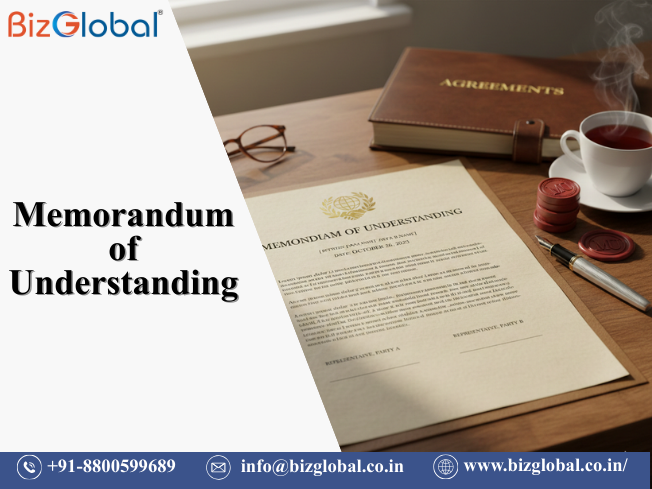
A Memorandum of Understanding, commonly known as an MoU, is a formal document that outlines the mutual understanding between two or more parties who intend to work together for a specific purpose. While an MoU may not always be legally binding, it plays a crucial role in clearly defining the intentions, roles, and responsibilities of each party before entering into a detailed agreement. In Indian business practice, MoUs are widely used for partnerships, joint ventures, collaborations, and project-based associations.
An MoU records important terms such as the scope of work, duration of the arrangement, financial understanding, confidentiality obligations, and dispute resolution mechanisms. It acts as a foundation document that helps parties align expectations and reduce ambiguity. By documenting agreed points in writing, an MoU builds trust and provides clarity, especially in situations where parties wish to proceed cautiously before committing to a binding contract.
Depending on the language used and the intention of the parties, an MoU can be partially or fully legally enforceable. If it includes specific obligations and consideration, courts may treat it as a binding agreement. Therefore, careful drafting is essential to ensure that the MoU reflects the true intention of the parties and does not unintentionally create legal liabilities.
Drafting an MoU requires legal precision and commercial understanding. At BizGlobal, we assist businesses and individuals in preparing clear, customised, and professionally drafted Memorandums of Understanding. Our team ensures that the MoU protects your interests, clearly defines responsibilities, and supports your business objectives while remaining compliant with Indian legal principles.